
Character Is Destiny, Part 2 of 6
Nine Fears to Rule Them All: How Character Drives Story


“Character is destiny.”
—Heraclitus (c. 500 BC)
In our previous post, we saw how Odysseus’ character shaped his destiny.
Because he hungered for glory, he revealed his true name to the Cyclops, which exposed Odysseus to a sea of troubles.
Characters make choices.
Choices create plot.
In this post, we’ll dive deeper into how you can use a character’s secrets—their fears and desires—to drive the plot of your own story.
Secret Fears
Every character has a secret fear. These fears are hidden in the nine character types:
Reformer: fear of being corrupt, bad, or defective.
Helper: fear of being unlovable or unwanted.
Achiever: fear of being worthless or a failure.
Artist: fear of being insignificant or without identity.
Observer: fear of being incompetent.
Questioner: fear of being unprotected or abandoned.
Adventurer: fear of being trapped in pain or deprived.
Leader: fear of being controlled or weak.
Diplomat: fear of being fragmented or in conflict.
To understand how these fears drive plots, let’s look at nine popular stories:
Reformer: Javert and Valjean in Les Misérables
Helper: Samwise Gamgee in The Lord of the Rings
Achiever: Jay Gatsby in The Great Gatsby
Artist: Jo March in Little Women
Observer: Victor Frankenstein in Frankenstein
Questioner: Hamlet in Hamlet
Adventurer: Jack Sparrow in Pirates of the Caribbean
Leader: Daenerys Targaryen in Game of Thrones
Diplomat: The Dude in The Big Lebowski
The Reformer
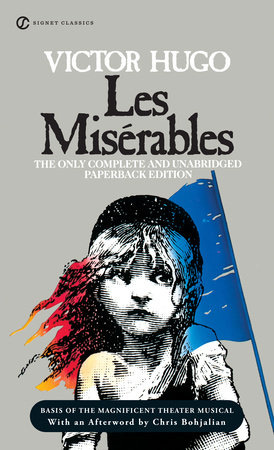
"Javert, though frightful, had nothing ignoble about him. Probity, sincerity, candor, conviction, the sense of duty, are things which may become hideous when wrongly directed…”
—Victor Hugo, Les Misérables
Javert and Valjean as Literary Foils in Les Misérables
The Reformer, driven by a fear of being corrupt or defective, strives to improve the world and live by a moral code. This pursuit of righteousness can lead to acts of great integrity—or to moral rigidity and complete self-destruction.
In Les Misérables, Victor Hugo presents two Reformers, Javert and Valjean, as literary foils. By contrasting the hero and villain within the same character type, Hugo deepens our understanding of the Reformer’s strengths, flaws, and choices.
Javert: The Rigid Reformer
Javert’s life is defined by his belief that the law is absolute and unyielding. To him, the law is synonymous with justice. Enforcing it is a sacred duty.
His fear of moral disorder manifests as an obsession with upholding the external structures of society.
How Fear Drives Javert
Javert’s fear of corruption blinds him to moral nuance. He does not believe in Valjean’s apparent transformation from criminal to benefactor.
The possibility of redemption does not fit into Inspector Javert’s black-and-white worldview. For him, a convicted criminal is permanently flawed and irredeemable.
This moral rigidity creates the central conflict. Javert relentlessly pursues Valjean, refusing to reconcile his own beliefs with the evidence of Valjean’s inherent goodness.
Javert’s Downfall
When Valjean offers him mercy in the face of death, Javert cannot reconcile the compassion of an escaped criminal with his own rigid adherence to the law.
Unable to adapt, Javert succumbs to despair. His inflexible sense of justice leads to a tragic end.
Valjean: The Transformative Reformer
In contrast, Valjean’s journey is one of redemption and growth.
After experiencing the Bishop’s acts of kindness and mercy, Valjean resolves to lead a life of goodness, driven by his fear of remaining a bad man.
Valjean’s internal moral compass guides him to help others and uphold justice in a way that transcends the letter of the law.
How Fear Drives Valjean
Valjean’s fear of being bad fuels his transformation. He becomes a benefactor and protector of others, working tirelessly to protect Cosette and create a better life for her.
Unlike Javert, Valjean strives to balance justice with compassion.
His willingness to make personal sacrifices for the greater good demonstrates the Reformer’s potential to create meaningful change.
Valjean’s Triumph
By embracing a more nuanced view of justice and morality, seeing the good in those who do evil—even in himself—Valjean achieves what Javert could not. He creates a life that is true to his ideals without being imprisoned by them.
Transformed by love, Valjean finds peace and redemption.
Hero and Villain as Literary Foils
When the hero and villain share the same character type, their differences highlight the dual nature of that type.
Valjean and Javert embody the bright side and the shadow side of the Reformer:
Bright side: Valjean demonstrates the transformative power of self-reflection and adaptability, showing that the fear of being evil can fuel positive change when paired with love and compassion.
Shadow side: Javert represents the destructive potential of moral rigidity, showing that the fear of being evil can lead to a lack of growth and ultimately to despair.
This contrast deepens our understanding of Valjean’s choices and reinforces the story’s theme: redemption is possible when we learn to forgive ourselves and others.
“To love another person is to see the face of God.”
—Victor Hugo, Les Misérables
Valjean learns that there is only one commandment: to love one another.
The rest is commentary.
The Reformer’s Lesson
In your stories, consider how the Reformer’s fear of imperfection can manifest in both positive and negative ways.
By exploring this duality, you can create rich, complex characters whose choices resonate deeply with readers.
Whether your Reformer character rigidly enforces the rules like Javert or grows through compassion like Valjean, their journey will illustrate a timeless truth: fear can be a force for both destruction and growth.
The Helper

“Come, Mr. Frodo! I can't carry it for you, but I can carry you.”
― Samwise Gamgee in The Return of the King
Samwise Gamgee and the Power of Loyalty in The Lord of the Rings
The Helper, driven by a fear of being unlovable or unwanted, seeks connection and validation through acts of service and care.
“I made a promise, Mr. Frodo. A promise. ‘Don’t you leave him, Samwise Gamgee.’ And I don’t mean to. I don’t mean to.”
―Samwise Gamgee in The Fellowship of the Ring
In J.R.R. Tolkien’s The Lord of the Rings, Samwise Gamgee exemplifies the Helper type. His secret fear of being unimportant or failing to protect Frodo shapes his actions and drives much of the story’s emotional depth and resolution.
Sam’s Fear of Being Unneeded
Sam’s unwavering loyalty to Frodo stems from a deep need to be indispensable.
This fear of being unwanted is evident from the beginning of their journey, when Sam refuses to let Frodo embark on the dangerous quest alone.
“If I take one more step, it’ll be the farthest away from home I’ve ever been.”
―Samwise Gamgee in The Fellowship of the Ring
His self-imposed role as protector and companion becomes his way of ensuring that Frodo—and by extension, the world—needs him.
How Fear Drives Sam
Sam constantly sacrifices his own safety and well-being to support Frodo, from carrying their supplies to cooking meals and, ultimately, physically carrying Frodo himself when the burden of the One Ring becomes too great.
Sam’s fear is not explicitly voiced but is woven into his relentless devotion, particularly during moments when Frodo pushes him away or doubts his loyalty.
Key Moment
When Frodo, under the influence of the Ring, briefly abandons Sam, Sam’s heartbreak is palpable.
This moment highlights the Helper’s fear of rejection and irrelevance, as Sam’s entire sense of purpose revolves around being needed by Frodo.
How Sam’s Fear Shapes the Plot
Sam’s actions, driven by his Helper nature, create critical turning points in the story:
Refusal to Leave Frodo: When Frodo tries to leave the fellowship to continue the quest alone, Sam nearly drowns attempting to follow him. His refusal to let Frodo face danger without him ensures that Frodo has a trusted companion for the most perilous parts of the journey.
Carrying Frodo on Mount Doom: In the story’s climax, Sam literally carries Frodo up the slopes of Mount Doom when Frodo can no longer go on. This act of ultimate selflessness demonstrates the Helper’s power to overcome their fear by channeling it into love and devotion.
Defeating Shelob: Sam’s bravery in confronting Shelob, the giant spider, saves Frodo’s life. This moment not only underscores Sam’s willingness to risk everything for Frodo but also allows him to grow as a character, stepping into a heroic role that transcends his fear.
Sam as the Bright Side of the Helper
Sam’s selflessness and devotion highlight the positive aspects of the Helper type.
His unwavering loyalty and care enable Frodo to complete the quest. His love for his friend sustains them both through unimaginable trials.
“There’s some good in this world, Mr. Frodo, and it’s worth fighting for.”
―Samwise Gamgee in The Two Towers
Sam’s actions remind us that the Helper’s strength lies in their capacity to give and to endure for the sake of others.
The Shadow Side of the Helper
While Sam’s loyalty is noble, his fear of being unneeded can lead to overdependence on Frodo’s validation.
He derives much of his self-worth from his role as Frodo’s best friend and protector. When this role is challenged—such as Frodo’s attempt to abandon him—the Helper’s vulnerability to rejection and loss is revealed.
Character and Meaning
By showing how Sam’s fear shapes his choices and drives the plot, Tolkien illustrates the transformative power of loyalty and love.
Sam’s journey is not just about supporting Frodo—it’s about proving to himself that he is valuable and capable of heroic acts.
In the end, Sam’s fear becomes a source of strength, pushing him to rise above his doubts and fulfill his purpose.
“It’s like in the great stories, Mr. Frodo. The ones that really mattered.”
―Samwise Gamgee in The Two Towers
The Helper’s Lesson
When writing Helper characters, explore how their fear of being unwanted drives their actions and relationships.
A Helper’s devotion can create powerful moments of selflessness and heroism, but their need for validation can also create internal conflict.
By allowing your Helper to confront and grow beyond their fear, you create a character whose journey resonates deeply with readers.
The Achiever
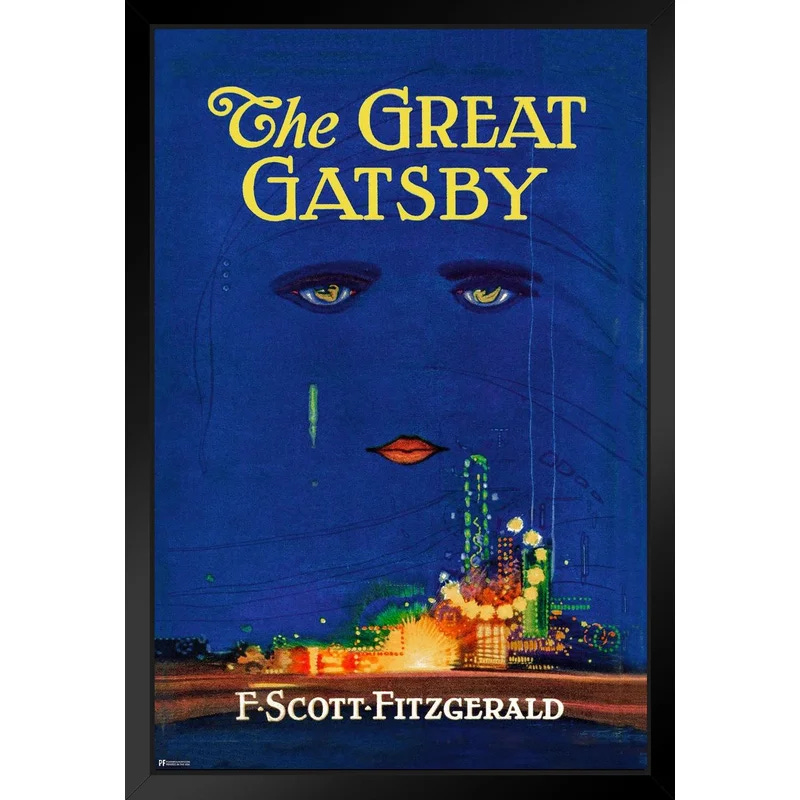
“His dream must have seemed so close that he could hardly fail to grasp it. He did not know that it was already behind him.”
—Nick Carraway in The Great Gatsby
Jay Gatsby and the Pursuit of Illusion in The Great Gatsby
The Achiever, driven by a fear of being worthless or a failure, seeks validation through success, admiration, and the attainment of goals.
In F. Scott Fitzgerald’s The Great Gatsby, Jay Gatsby exemplifies the Achiever type, with his fear of inadequacy shaping not only his choices but also the tragic arc of the story.
Gatsby’s Fear of Being Unworthy
At the heart of Gatsby’s relentless ambition lies a deep fear: the belief that he is not enough.
Born into poverty, Gatsby views wealth and status as the ultimate measures of worth.
His love for Daisy Buchanan becomes intertwined with his need to prove his value, both to her and to the world.
How Fear Drives Gatsby
Gatsby reinvents himself, crafting an image of success and sophistication.
His luxurious parties and extravagant lifestyle are not mere indulgences. They are part of a carefully constructed persona designed to win Daisy’s love and the admiration of high society.
“He wanted to recover something, some idea of himself perhaps, that had gone into loving Daisy.”
—Nick Carraway in The Great Gatsby
Gatsby’s fear of being unworthy fuels every decision, from his pursuit of wealth to his obsession with recreating the past.
Key Moment
Gatsby’s declaration that he can “repeat the past” underscores the Achiever’s tendency to chase an idealized vision of success, even when it is unattainable.
“So we beat on, boats against the current, borne back ceaselessly into the past.”
—Nick Carraway in The Great Gatsby
His refusal to accept reality is rooted in his fear of failure and his inability to separate his worth from external validation.
How Gatsby’s Secret Fear Shapes the Plot
Gatsby’s actions, driven by his Achiever mindset, propel the story’s central conflicts and ultimately lead to his downfall:
Reinvention: Gatsby abandons his true self, James Gatz, to become Jay Gatsby, a persona designed to achieve wealth and social prestige. This transformation shapes his relationships and his obsessive pursuit of Daisy, whose love he sees as the ultimate prize.
Lavish Parties: Gatsby’s legendary gatherings are not for his enjoyment but for their potential to attract Daisy. His need to impress and win admiration reflects the Achiever’s focus on appearances and external success.
Climax at the Plaza Hotel: When Gatsby insists to Tom Buchanan that Daisy “never loved you,” Gatsby’s Achiever mentality is on full display. Winning Daisy back from Tom is not enough for Gatsby. He needs to reinvent the past, to protect his false image of her—and of himself. His inability to accept Daisy’s divided loyalties leads to the unraveling of his dream.
Tragic Death: Gatsby’s pursuit of his idealized vision blinds him to reality and leads to his tragic demise. His death is the result of his Achiever fear. He ties his worth to an unattainable dream, and when that dream collapses, so does he.
Gatsby as the Shadow Side of the Achiever
Gatsby’s story reveals the darker side of the Achiever type.
His relentless pursuit of success and admiration comes at the cost of authenticity and genuine connection.
By tying his self-worth to external markers—wealth, status, and Daisy’s love—Gatsby becomes trapped in an illusion.
His inability to confront his fear of inadequacy prevents him from finding true fulfillment.
The Achiever’s Dual Nature
Gatsby also highlights the potential greatness of the Achiever type. His ambition, determination, and ability to dream big are awe-inspiring.
“He had an extraordinary gift for hope, a romantic readiness such as I have never found in any other person and which it is not likely I shall ever find again.”
—Nick Carraway in The Great Gatsby
Yet without self-awareness and balance, these traits become self-destructive.
Bright Side: Achievers like Gatsby inspire us with their drive and ability to transform themselves and the world around them.
Shadow Side: When consumed by their fear of failure, Achievers risk losing themselves in the pursuit of an idealized image, leading to disconnection and, in Gatsby’s case, tragedy.
Character and Meaning
F. Scott Fitzgerald uses Gatsby’s character to explore the hollowness of the American Dream. Gatsby’s relentless pursuit of success, driven by his Achiever fear, illustrates how the dream of wealth and status can consume a person’s identity.
The Great Gatsby serves as a cautionary tale about the dangers of tying self-worth to external achievements and living for the validation of others.
The Achiever’s Lesson
When crafting Achiever characters, explore how their fear of failure and need for admiration drive their actions and shape their fate.
An Achiever’s journey can illustrate both the potential and the pitfalls of ambition.
Whether your Achiever rises to greatness or falls to tragedy, readers will recognize the universal struggle to find worth and meaning in a world obsessed with status and success.
The Artist

“I want to do something splendid…something heroic or wonderful that won’t be forgotten after I’m dead.”
—Jo March in Little Women
Jo March and the Pursuit of Authenticity in Little Women
The Artist, driven by a fear of being insignificant or without identity, seeks to create something meaningful and unique.
“I’ve got the key to my castle in the air, but whether I can unlock the door remains to be seen.”
—Jo March in Little Women
In Louise May Alcott’s Little Women, Jo March exemplifies the Artist type, with her longing for individuality and fear of conformity shaping her journey as a writer, sister, and woman in 19th-century society.
Jo’s Secret Fear of Losing Herself
Jo’s deepest fear is losing her identity to societal norms or domestic expectations. In a world where women are often valued only for their roles as wives and mothers, Jo resists anything that might diminish her individuality or stifle her creative spirit.
“Women, they have minds, and they have souls, as well as just hearts. And they’ve got ambition, and they’ve got talent, as well as just beauty.”
—Jo March in Little Women
Jo’s writing becomes both her outlet and her rebellion—a way to assert her uniqueness and leave a lasting mark on the world.
How Fear Drives Jo
Jo’s fear manifests in her resistance to traditional roles and her determination to live life on her own terms.
“I could have been something, if I only had been born a boy.”
—Jo March in Little Women
She envies her sisters’ ability to conform more easily to societal expectations, yet she loves them fiercely and feels torn between her desire for independence and her familial bonds.
Key Moment
When Jo turns down Laurie’s marriage proposal, it’s a defining example of the Artist’s fear at work.
“Why must we marry at all? Why can’t things stay as they are?”
—Jo March in Little Women
While she loves Laurie as a friend, she knows that marrying him would compromise her sense of self.
Her decision underscores her need to stay true to her identity, even at great emotional cost.
How Jo’s Secret Fear Shapes the Plot
Jo’s internal struggle to preserve her identity and pursue her creative dreams drives much of Little Women’s conflict:
Creative Ambition: Jo’s writing represents her need to create something that reflects her individuality. Her early work, written for commercial success, leaves her dissatisfied. It’s only when she begins writing from the heart—drawing on her experiences with her sisters—that she finds fulfillment and purpose.
Resistance to Marriage: Jo’s refusal to marry Laurie challenges societal expectations and highlights her fear of losing her autonomy. Her eventual marriage to Professor Bhaer is significant because it’s on her terms, with a partner who respects her individuality and creative pursuits.
Relationship with Amy: Jo’s envy of Amy’s artistic success and ability to conform to societal norms creates tension between them. This dynamic reflects the Artist’s longing to be both recognized and unique, as Jo struggles to reconcile her own path with Amy’s choices.
Bright Side of the Artist
Jo’s courage to pursue her creative dreams and resist societal pressure illustrates the Artist’s potential to inspire and transcend limitations.
“I’ll be a lantern in the dark and keep the home fires burning.”
—Jo March in Little Women
Her determination to stay true to herself serves as a beacon for readers who feel torn between conformity and authenticity.
Shadow Side of the Artist
Jo’s fear also creates challenges.
Her envy of Amy and her initial resistance to compromise highlight the Artist’s struggle with self-acceptance.
At times, Jo’s insistence on doing things her own way isolates her and makes her feel misunderstood—a common pitfall for the Artist type.
“I am lonely, sometimes. I want to be loved, but I am strong enough to do without it.”
—Jo March in Little Women
Character and Meaning
Louisa May Alcott uses Jo’s character to explore the tension between individuality and societal expectation.
Jo’s journey is not just about achieving creative success. It’s about finding a balance between her longing for independence and her love for her family.
Her eventual decision to embrace both her artistic and domestic sides reflects a nuanced understanding of identity and fulfillment.
The Artist’s Lesson
When crafting Artist characters, explore how their fear of insignificance drives their actions and relationships.
An Artist’s journey can reveal the struggle to create a meaningful legacy while staying true to themselves.
By allowing your Artist to confront their fears and grow, you can craft a story that resonates with anyone who has ever felt the pull between individuality and belonging.
The Observer
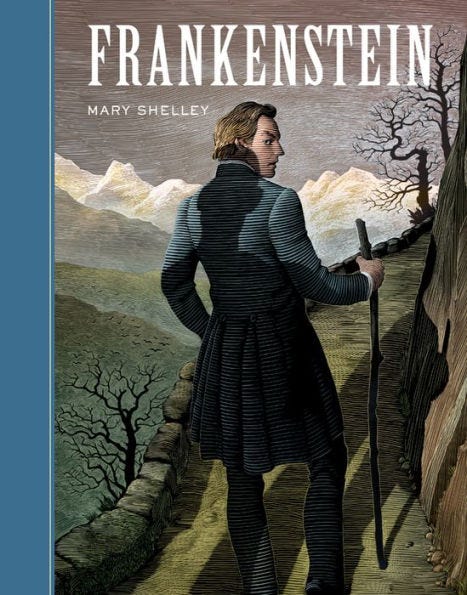
“I will pioneer a new way, explore unknown powers, and unfold to the world the deepest mysteries of creation.”
—Victor Frankenstein in Frankenstein
Victor Frankenstein and the Perils of Obsession in Frankenstein
The Observer, driven by a fear of incompetence or being overwhelmed, seeks mastery over their world through knowledge, independence, and control.
In Mary Shelley’s Frankenstein; or, The Modern Prometheus, Victor Frankenstein exemplifies the Observer type. His obsessive pursuit of scientific understanding and self-sufficiency shapes the story’s tragic events.
Victor’s Fear of Ignorance and Helplessness
Victor’s fear of ignorance is deeply rooted in his identity.
As a child, he is captivated by the mysteries of science, believing that knowledge holds the key to power and control.
This need to conquer the unknown becomes an all-consuming obsession, driving him to discover the secret of life itself.
How Fear Drives Victor
Victor isolates himself from family, friends, and society in his quest for knowledge.
“I had worked hard for nearly two years, for the sole purpose of infusing life into an inanimate body. For this I had deprived myself of rest and health.”
—Victor Frankenstein in Frankenstein
He views human relationships as secondary to his intellectual pursuits, believing that understanding the natural world will grant him mastery over life and death.
His fear of failure and inadequacy pushes him to extremes, blinding him to the ethical implications of his work.
Key Moment
Victor’s decision to animate his creature is fueled by his desire to overcome the limits of mortality—a desire rooted in his fear of being powerless against death.
“The world was to me a secret which I desired to divine.”
—Victor Frankenstein in Frankenstein
However, when faced with the consequences of his creation, Victor’s fear shifts to losing control, leading him to abandon his “monster” and setting the story’s conflict in motion.
“But now that I had finished, the beauty of the dream vanished, and breathless horror and disgust filled my heart.”
—Victor Frankenstein in Frankenstein
How Victor’s Fear Shapes the Plot
Victor’s actions, driven by his Observer traits, create the central conflicts and themes of Frankenstein:
The Creation of the Monster: Victor’s obsessive need for mastery over nature leads him to create life. This act stems from his fear of being powerless and his belief that understanding and controlling life will elevate him above ordinary human limitations.
Isolation from Others: Victor’s intellectual pursuits cause him to withdraw from meaningful relationships. His refusal to seek counsel or support isolates him further, exacerbating his fear of incompetence when the consequences of his actions spiral out of control.
The Monster’s Revenge: Victor’s refusal to take responsibility for his creation reflects his inability to reconcile his fear of failure with the reality of his choices. This leads to a tragic chain of events, as the monster turns against Victor and those he loves, demonstrating the destructive consequences of unchecked ambition and fear.
The Pursuit and Final Confrontation: Victor’s obsessive need to destroy his creation mirrors his initial obsession with creating it. His relentless pursuit of the monster across the Arctic wastes highlights the Observer’s tendency to focus entirely on a single goal, even at the cost of their own well-being and relationships.
Victor as the Shadow Side of the Observer
Victor Frankenstein represents the darker side of the Observer type.
His isolation, intellectual arrogance, and detachment from emotional connections stem from his fear of inadequacy and his belief that knowledge can solve all problems.
This single-minded pursuit leads to destruction—not just of his own life but of those around him.
Disconnection from Humanity: Victor’s focus on intellectual mastery blinds him to the emotional and ethical dimensions of his work, alienating him from his creation and his loved ones.
Avoidance of Responsibility: When his experiment goes awry, Victor’s refusal to face the consequences reveals the Observer’s struggle to confront their own limitations and failures.
The Observer’s Dual Nature
Victor also highlights the potential brilliance of the Observer type. His intellectual curiosity and scientific genius are awe-inspiring, showcasing the transformative power of knowledge.
However, his inability to balance his pursuit of understanding with emotional awareness and ethical responsibility becomes his downfall.
Bright Side: Observers like Victor can advance knowledge and innovation, pushing the boundaries of what is possible.
Shadow Side: When consumed by their fear of incompetence or overwhelm, Observers risk becoming isolated, obsessive, and blind to the broader consequences of their actions.
Character and Meaning
Mary Shelley uses Victor’s character to explore the dangers of unchecked ambition and the ethical responsibilities that come with knowledge.
Victor’s journey reflects the Observer’s struggle to balance their need for mastery with their human limitations.
“Learn from me, if not by my precepts, at least by my example, how dangerous is the acquirement of knowledge and how much happier that man is who believes his native town to be the world, than he who aspires to become greater than his nature will allow.”
—Victor Frankenstein in Frankenstein
His fear of failure and inability to connect with others ultimately lead to his tragic downfall, serving as a cautionary tale about the costs of intellectual hubris.
The Observer’s Lesson
An Observer’s journey can reveal both the power and perils of knowledge.
When crafting Observer characters, explore how their fear of incompetence drives their actions and relationships.
By confronting your Observer with their deepest fears, you can create a story that resonates deeply with readers who recognize the need to balance intellect with humanity.
The Questioner
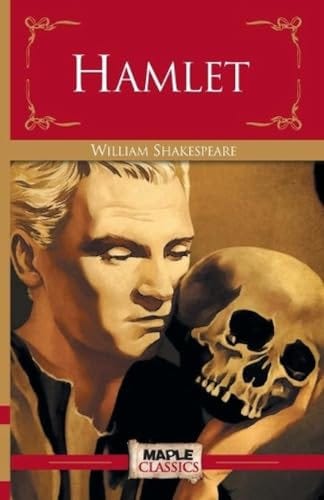
“To be, or not to be: that is the question.”
—Hamlet in Hamlet
Hamlet and the Paralysis of Doubt in Hamlet
The Questioner, driven by a fear of betrayal or making the wrong decision, seeks certainty and security in a world they perceive as unreliable or threatening.
“O God, I could be bounded in a nutshell and count myself a king of infinite space, were it not that I have bad dreams.”
—Hamlet in Hamlet
In Shakespeare’s The Tragedy of Hamlet, Prince of Denmark, the title character exemplifies the Questioner type, with his fear of deception and inability to act without proof shaping the play’s central conflicts and ultimate tragedy.
Hamlet’s Fear of Betrayal and Uncertainty
At the core of Hamlet’s character is a deep fear of being misled or manipulated.
After encountering the ghost of his father, who accuses King Claudius of murder, Hamlet is consumed by doubt. Is the ghost telling the truth, or could it be some trick of madness?
“The spirit that I have seen
May be the devil: and the devil hath power
To assume a pleasing shape.”
—Hamlet in Hamlet
This fear of acting on unreliable information leads Hamlet to delay his revenge.
How Fear Drives Hamlet
Hamlet’s fear of betrayal extends to those around him. He doubts Claudius’ motives, mistrusts his mother Gertrude’s loyalty, and questions Ophelia’s love for him.
His inability to fully trust anyone—even himself—paralyzes his decision-making.
“The time is out of joint: O cursed spite,
That ever I was born to set it right!”
—Hamlet in Hamlet
Key Moment
Hamlet stages the play The Mousetrap to test Claudius’ guilt, embodying the Questioner’s need to confirm their suspicions before taking action.
“The play’s the thing
Wherein I’ll catch the conscience of the king.”
—Hamlet in Hamlet
This moment reflects his reliance on external evidence to overcome his internal fear of being wrong.
How Hamlet’s Fear Shapes the Plot
Hamlet’s actions, or lack thereof, driven by his Questioner fears, create the play’s central conflicts and propel its tragic arc:
Delay of Action: Hamlet’s reluctance to act without certainty prolongs the conflict. His fear of making a mistake prevents him from taking swift revenge on Claudius, allowing the situation to escalate and implicate others in the fallout.
Conflict with Ophelia: Hamlet’s mistrust of Ophelia, spurred by his fear of betrayal, leads him to push her away. His erratic behavior and cruel words contribute to her descent into madness, illustrating the destructive consequences of his inability to trust.
Misdirection and Manipulation: Hamlet’s obsession with uncovering the truth leads him to feign madness, a strategy born of his desire to gather information without exposing himself. However, this deception alienates those around him and further isolates him in his quest for certainty.
Climactic Duel: Hamlet’s hesitation ultimately leads to chaos, as unresolved tensions erupt in the final act. His failure to act decisively earlier in the play results in a tragic chain of events, including the deaths of Polonius, Ophelia, Laertes, Gertrude, Claudius, and himself.
Hamlet as the Shadow Side of the Questioner
Hamlet represents the darker side of the Questioner type, where fear of betrayal and indecision becomes paralyzing.
“Conscience doth make cowards of us all.”
—Hamlet in Hamlet
His overthinking and inability to trust others—or his own instincts—create a cycle of doubt that undermines his ability to act effectively.
Paralysis by Analysis: Hamlet’s need for certainty leads to endless questioning, delaying action until it is too late.
Mistrust of Relationships: His fear of betrayal drives a wedge between himself and those closest to him.
The Dual Nature of the Questioner
Hamlet also highlights the strengths of the Questioner type.
His intelligence, skepticism, and desire for justice make him a complex and compelling character.
“Give me that man
That is not passion’s slave, and I will wear him
In my heart’s core, ay, in my heart of heart.”
—Hamlet in Hamlet
However, his inability to balance his need for certainty with the necessity of action leads to his downfall.
Bright Side: Questioners like Hamlet are thoughtful and cautious, ensuring they don’t act rashly or on false information.
Shadow Side: When consumed by doubt and fear, they risk inaction and self-sabotage, as seen in Hamlet’s tragic arc.
Character and Meaning
Shakespeare uses Hamlet’s character to explore themes of trust, uncertainty, and the human condition.
Hamlet’s struggle reflects the universal fear of making irreversible mistakes in a world where truth is often elusive.
“There is nothing either good or bad, but thinking makes it so.”
—Hamlet in Hamlet
His inability to overcome his Questioner fears highlights the dangers of letting doubt and mistrust dominate one’s choices.
The Questioner’s Lesson
When crafting Questioner characters, explore how their fear of betrayal or being unprepared drives their decisions and relationships.
A Questioner’s journey can reveal the tension between caution and action, trust and doubt.
By allowing your Questioner to confront their fears and find balance, you can create a character whose struggles resonate deeply with a wide audience.
The Adventurer

"Now, bring me that horizon.”
—Jack Sparrow in Pirates of the Caribbean: The Curse of the Black Pearl
Jack Sparrow and the Fear of Confinement in Pirates of the Caribbean: The Curse of the Black Pearl
The Adventurer, driven by a fear of being trapped or deprived of freedom, seeks excitement, independence, and endless possibilities.
“The only rules that really matter are these: what a man can do and what a man can’t do.”
—Jack Sparrow in Pirates of the Caribbean: The Curse of the Black Pearl
In Pirates of the Caribbean: The Curse of the Black Pearl, screenplay by Ted Elliot and Terry Rossio, Captain Jack Sparrow exemplifies the Adventurer type, with his quest for freedom and aversion to responsibility shaping both the plot and his relationships.
Jack’s Fear of Losing Freedom
At the core of Jack Sparrow’s character is a deep fear of confinement—whether physical, emotional, or existential.
“This is the day you will always remember as the day you almost caught Captain Jack Sparrow!”
—Jack Sparrow in Pirates of the Caribbean: The Curse of the Black Pearl
He values his independence above all else, seeing the open sea as a symbol of his boundless freedom.
“Wherever we want to go, we’ll go. That’s what a ship is, you know. It’s not just a keel and a hull and a deck and sails. That’s what a ship needs. But what a ship is… what the Black Pearl really is… is freedom.”
—Jack Sparrow in Pirates of the Caribbean: The Curse of the Black Pearl
This fear of confinement manifests in Jack’s desire to reclaim the Black Pearl, his beloved ship, which represents not only his autonomy but also his identity as a pirate and adventurer.
How Fear Drives Jack
Jack’s fear of being tied down drives his impulsive decisions and schemes.
He avoids long-term commitments and responsibilities, preferring instead to live in the moment. His refusal to let anyone control him—whether it’s the British Navy, Barbossa, or even the code of the pirates—defines his character and motivates his actions.
Key Moment
Jack’s insistence on reclaiming the Black Pearl, despite overwhelming odds, illustrates the Adventurer’s need for independence.
The ship is more than just a vessel—it’s the embodiment of Jack’s free spirit and his resistance to being trapped by anyone or anything.
How Jack’s Fear Shapes the Plot
Jack’s actions, driven by his Adventurer nature, create many of the conflicts:
Reclaiming the Black Pearl: Jack’s primary goal throughout the film is to regain control of his ship. This quest drives the plot, as he forms alliances, betrays others, and outwits his enemies to achieve his aim. His determination to reclaim his freedom mirrors the Adventurer’s relentless pursuit of independence.
Manipulating Allies and Enemies: Jack’s charm and cunning often mask his fear of vulnerability. He manipulates Will Turner, Elizabeth Swann, and even Barbossa to serve his agenda, showcasing the Adventurer’s tendency to avoid direct confrontation with their fears by staying one step ahead of everyone else.
Outsmarting Barbossa: Jack’s conflict with Barbossa, who usurped control of the Black Pearl, reflects the Adventurer’s fear of being subordinated. Jack’s schemes to outwit Barbossa highlight his resourcefulness and determination.
The Final Duel: During the final battle, Jack’s clever use of the cursed gold demonstrates his ability to think creatively under pressure. His fear of being constrained pushes him to find innovative solutions, even in life-or-death situations.
Jack as the Bright Side of the Adventurer
Jack Sparrow represents the best traits of the Adventurer type: he’s resourceful, imaginative, and irrepressibly optimistic.
“But you have heard of me.”
—Jack Sparrow in Pirates of the Caribbean: The Curse of the Black Pearl
His quick thinking and ability to adapt to any situation make him a captivating and unpredictable character.
Innovation and Creativity: Jack’s solutions often involve outlandish but effective ideas, showcasing the Adventurer’s talent for thinking outside the box.
Resilience and Humor: Despite setbacks and betrayals, Jack maintains his sense of humor and zest for life, embodying the Adventurer’s ability to find joy even in dire circumstances.
The Shadow Side of the Adventurer
Jack’s fear of being trapped also leads to selfishness and short-sightedness, reflecting the Adventurer’s potential pitfalls.
Avoidance of Responsibility: Jack often shirks responsibility for the consequences of his actions, prioritizing his own freedom over loyalty or duty.
Manipulation and Distrust: His tendency to manipulate others can strain relationships, as his allies often question his true intentions.
Character and Meaning
Jack Sparrow’s character serves as a reminder of the cost of choosing freedom above all else. While his fear of confinement drives his charm and ingenuity, it also exposes his vulnerabilities and creates conflicts with others.
“You seem somewhat familiar. Have I threatened you before?”
—Jack Sparrow in Pirates of the Caribbean: The Curse of the Black Pearl
Through Jack, the film explores the tension between independence and responsibility, as well as the value of loyalty and trust.
The Adventurer’s Lesson
When crafting Adventurer characters, explore how their fear of confinement or deprivation drives their actions and relationships.
An Adventurer’s journey can showcase both the joy of freedom and the downsides of avoiding accountability.
By allowing your Adventurer to face their fears and find balance, you can create a story that resonates with readers who recognize the longing for independence and adventure.
The Leader
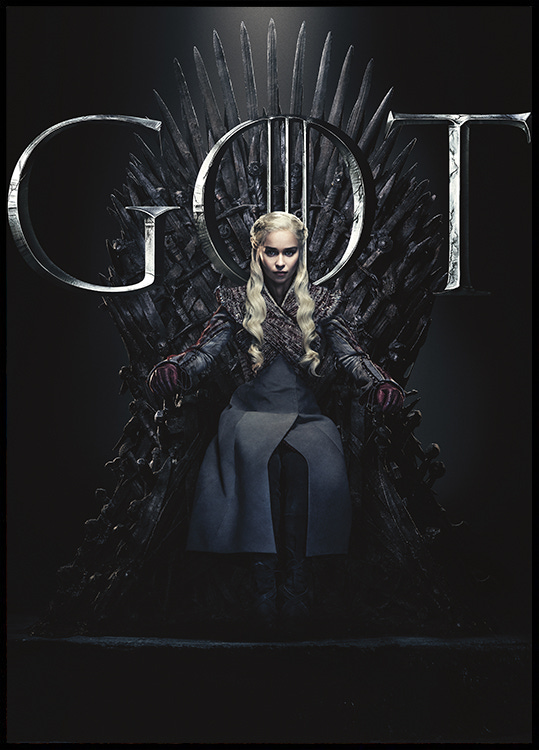
“I am the blood of the dragon.”
—Daenerys in A Game of Thrones
Daenerys Targaryen and the Fear of Powerlessness in Game of Thrones
The Leader, driven by a fear of being controlled or appearing weak, seeks strength, autonomy, and the ability to protect themselves and others.
Daenerys Targaryen, in George R.R. Martin’s A Song of Ice and Fire book series and in HBO’s Game of Thrones, exemplifies the Leader type.
[Note: I will reference both the books and the TV series here. Daenerys’ story is not yet complete in the book series, but is complete in the TV series. Her character arc may end differently in the final books, if and when they are published.]
Daenerys’ desire to reclaim her family’s legacy and her journey from an exiled princess to a conqueror and ruler are shaped by her need for power and her deep-seated fear of vulnerability.
Daenerys’ Fear of Being Controlled
Daenerys begins her story in a position of weakness.
Exiled to Essos, she is controlled by her brother Viserys, who treats her as a pawn to further his ambitions of reclaiming the Iron Throne.
This early experience with domination and humiliation plants the seeds of her fear of powerlessness and her resolve never to be controlled again.
How Fear Drives Daenerys
Daenerys’ fear manifests in her relentless pursuit of power and her determination to liberate others from oppression.
“I am the dragon’s daughter, and I swear to you that those who would harm you will die screaming.”
—Daenerys in A Game of Thrones
Her desire to be seen as strong and capable drives her to take increasingly bold and often ruthless actions.
“When my dragons are grown, we will take back what was stolen from me and destroy those who wronged me!”
—Daenerys in A Game of Thrones
However, her fear also makes her distrustful of others, particularly those who might challenge her authority or question her decisions.
Key Moment
After Viserys’ death, Daenerys steps into her role as a leader, vowing to reclaim her family’s throne.
“If I look back, I am lost.”
—Daenerys in A Game of Thrones
This pivotal moment demonstrates her transition from a victim of control to someone determined to wield power on her own terms.
How Daenerys’ Fear Shapes the Plot
Daenerys’ actions, rooted in her Leader fears, create many of the conflicts and turning points in her story:
Liberating the Slaves of Essos: Daenerys’ campaign to free the slaves of Astapor, Yunkai, and Meereen reflects her need to fight against oppression—not just for herself but for others. Her actions inspire loyalty and admiration but also highlight her uncompromising nature. In Meereen, her struggle to balance justice with effective governance illustrates the Leader’s challenge of navigating vulnerability and strength.
Her Dragons as a Symbol of Power: Daenerys’ bond with her dragons is deeply tied to her identity and sense of control. The dragons, which grow to be both her greatest assets and her most dangerous tools, represent her ability to command respect and instill fear. Losing one of them deeply affects her, amplifying her fear of losing her strength and legacy.
Conflict with Tyrion and Jon: In the TV series, Daenerys’ growing mistrust of Tyrion and Jon Snow stems from her fear of being undermined. As Jon’s claim to the throne is revealed, Daenerys feels increasingly isolated and threatened.
The Siege of King’s Landing: The TV series portrays Daenerys’ fear and desperation at its peak during her final descent into ruthlessness. Feeling betrayed and abandoned, she chooses to destroy King’s Landing, prioritizing domination over mercy. It illustrates the extreme shadow side of the Leader type, where the fear of vulnerability leads to destructive overreach.
Daenerys as the Bright Side of the Leader
Daenerys demonstrates the positive traits of the Leader type: resilience, vision, and a deep commitment to justice.
“I will answer injustice with justice.”
—Daenerys in A Storm of Swords
Her determination to protect the downtrodden and rebuild her family’s legacy inspires many to follow her, and her courage in the face of adversity is undeniable.
Strength and Autonomy: Daenerys transforms from a powerless girl into a commanding leader who earns the respect of armies and nations.
Commitment to Justice: Her liberation of the slaves in Essos highlights her desire to use her power for good, challenging oppressive systems and advocating for those who cannot fight for themselves.
The Shadow Side of the Leader
“We will lay waste to armies and burn cities to the ground.”
—Daenerys in A Dance with Dragons
Daenerys’ fear of losing control or appearing weak leads to darker behaviors as her story progresses, particularly in the later seasons of the TV series.
Mistrust and Isolation: Her fear of betrayal creates rifts in her relationships, particularly with Jon Snow and Tyrion.
Ruthlessness: When pushed to extremes, Daenerys prioritizes power over compassion, illustrating how the Leader’s fear can result in destructive actions.
Character and Meaning
Daenerys’ story explores the duality of power—its potential to inspire and its capacity to corrupt. Her journey highlights the dangers of absolute power and the difficulty of balancing strength with empathy.
“They can live in my new world, or they can die in their old one.”
—Daenerys in A Dance with Dragons
Her fear of powerlessness drives her ascent but also contributes to her downfall, serving as a cautionary tale.
The Leader’s Lesson
When crafting Leader characters, explore how their fear of being controlled or appearing weak drives their decisions and relationships.
A Leader’s journey can showcase both the inspiring potential and the destructive risks of power.
By allowing your Leader to confront their fears and find balance, you can create a story that resonates with a wide audience.
The Diplomat

“The Dude abides.”
—The Dude in The Big Lebowski
The Dude and the Consequences of Inaction in The Big Lebowski
The Diplomat, driven by a fear of conflict and fragmentation, often seeks peace by avoiding action or confrontation.
However, inaction is itself a choice—with consequences
In The Big Lebowski, written and directed by the Coen Brothers, The Dude exemplifies the Diplomat type, with a lack of ambition and a passive approach to life that allows chaos to spiral around him.
“Hey, careful, man, there’s a beverage here!”
—The Dude in The Big Lebowski
As a counterpoint to the traditional hero’s journey, the film humorously illustrates that refusing to take decisive action does not prevent disorder—it invites it.
The Dude’s Fear of Conflict and Desire for Peace
At the heart of The Dude’s character is his aversion to conflict and his longing for a simple, harmonious life.
“This aggression will not stand, man.”
—The Dude in The Big Lebowski
He prefers to spend his days bowling, drinking White Russians, and enjoying the stability of his modest, bohemian existence.
Yet when his rug—a symbol of that stability—is stolen, The Dude is reluctantly drawn into a chaotic series of events.
How Fear Drives The Dude
Rather than asserting himself or actively solving his problems, The Dude’s strategy is to go with the flow and hope for the best.
“Yeah, well, you know, that’s just, like, your opinion, man.”
—The Dude in The Big Lebowski
This passivity, however, leaves him at the mercy of stronger, more chaotic forces.
His reluctance to engage fully in the situations he faces allows disorder to flourish, highlighting the idea that inaction is a choice with far-reaching consequences.
Key Moment
The Dude’s initial decision to confront the wealthy Jeffrey Lebowski about his rug is less about taking a stand and more about begrudgingly addressing the disruption to his comfort.
“I’m the Dude, so that’s what you call me. You know, that, or His Dudeness, or Duder, or El Duderino, if you’re not into the whole brevity thing.”
—The Dude in The Big Lebowski
Even in this rare moment of action, his lack of conviction underscores his preference for avoiding real responsibility.
How The Dude’s Inaction Shapes the Plot
The Dude’s passive approach to life creates much of the film’s comedic tension and underscores the concept of entropy—how the absence of decisive action invites chaos:
The Quest for the Rug: The stolen rug, which “really tied the room together,” represents the fragile order of The Dude’s life. His half-hearted attempts to retrieve it, combined with his unwillingness to assert control, escalate the situation rather than resolving it.
Reluctant Involvement in the Ransom Plot: The Dude is dragged into a convoluted kidnapping scheme, not because of any bold choice, but because he fails to resist being roped into the chaos by others, particularly Walter. His refusal to take a firm stance or actively investigate the situation leaves him caught in the middle of conflicting agendas.
Conflict with Walter: Walter’s aggressive and impulsive behavior stands in stark contrast to The Dude’s passivity. While Walter escalates every situation, The Dude’s refusal to rein him in allows small conflicts to balloon into major catastrophes, such as the botched ransom handoff.
Interactions with Maude and the Nihilists: The Dude’s passive acceptance of Maude’s schemes and the Nihilists’ threats further illustrates how inaction invites others to impose their will on him. His lack of agency allows external chaos to dominate his life, leading to increasingly absurd and comedic outcomes.
The Dude as the Bright Side of the Diplomat
Despite his passivity, The Dude’s laid-back demeanor reflects the best traits of the Diplomat type. His ability to remain calm, adapt to absurd circumstances, and find moments of humor in chaos make him an endearing and relatable character.
Resilience in Chaos: The Dude maintains his composure and good humor, even as his life spirals into absurdity.
Aversion to Escalation: His preference for peace over aggression often tempers the more volatile actions of characters like Walter, providing a counterbalance.
The Shadow Side of the Diplomat
The Dude’s refusal to take decisive action highlights the pitfalls of the Diplomat type. His inaction, though humorous, serves as a cautionary tale:
Passivity and Entropy: The Dude’s lack of agency creates a vacuum that invites disorder. His failure to make strong choices leads to a chain reaction of chaos, illustrating the idea that nature abhors a vacuum.
Suppression of Responsibility: By avoiding conflict, The Dude surrenders control of his life to others, allowing external forces to shape his reality.
Character and Meaning
As a counterexample to the traditional hero’s journey, The Dude’s story demonstrates that inaction is itself a choice—one that can have profound and often chaotic consequences.
“This is a very complicated case, Maude. You know, a lotta ins, a lotta outs, a lotta what-have-yous. And, uh, a lotta strands to keep in my head, man. Lotta strands in old Duder's head.”
—The Dude in The Big Lebowski
His passive approach to life amplifies the entropy around him, showing that refusing to act does not maintain order but rather invites disorder.
This humorous take on the concept of entropy challenges the audience to consider the cost of avoiding responsibility and the inevitability of chaos when agency is surrendered.
The Diplomat’s Lesson
When crafting Diplomat characters, explore how their fear of conflict and desire for peace shape their actions—or inactions.
A Diplomat’s journey can reveal both the charm of their adaptability and the risks of their passivity.
By illustrating how inaction invites chaos, you can create a story that resonates with readers and highlights the importance of agency in navigating life’s complexities.
Conclusion: How Fear Drives the Story
A character’s secret fear is more than an internal struggle—it’s the engine of your plot.
Fears shape decisions, decisions create consequences, and those consequences drive the story forward.
Whether it’s the Reformer striving for perfection, the Adventurer fleeing confinement, or the Diplomat avoiding conflict, a character’s hidden fear makes their journey feel inevitable and deeply human.
By connecting your plot to your character’s fears, you ensure that every twist and turn resonates emotionally. Readers won’t just see what happens—they’ll understand why it happens, making your story unforgettable.
Takeaway
Start with your character’s secret fear.
Let this fear compel their decisions, relationships, and actions.
A great plot doesn’t just happen to a character—it’s created by them.
Subscribe for the Full Series
If you’re ready to craft stories that captivate readers by tapping into your characters’ deepest fears, stay tuned for the next post in this series.
Subscribe now for actionable insights, examples, and tools to bring your characters—and their fears—to life in ways that will keep readers hooked.
Want even more?
How to Write Great Characters: The Key to Your Hero's Growth and Transformation is your quick-and-easy guide to mastering character creation.

Grab your copy today and start writing great characters.
📚 Get the Book and transform your writing journey.
Thank you for reading and supporting my work—it means the world to me!